The Difference In Between Assisted Living and Experienced Nursing
@fernandosphf126
November 3, 2026 · 16 min read
Business Name: BeeHive Homes of Amarillo
Address: 5800 SW 54th Ave, Amarillo, TX 79109
Phone: (806) 452-5883
BeeHive Homes of Amarillo
Beehive Homes of Amarillo assisted living is ideal for those who value their independence but require help with some of the activities of daily living. Residents enjoy 24-hour support, private bedrooms with baths, medication monitoring, home-cooked meals, housekeeping and laundry services, social activities and outings, and daily physical and mental exercise opportunities. Beehive Homes memory care services accommodates the growing number of seniors affected by memory loss and dementia. Beehive Homes offers respite (short-term) care for your loved one should the need arise. Whether help is needed after a surgery or illness, for vacation coverage, or just a break from the routine, respite care provides you peace of mind for any length of stay.
5800 SW 54th Ave, Amarillo, TX 79109
Business Hours
Families generally begin comparing care options at the very same minute life gets more complex. A parent misses out on medications, has an autumn, gets home from the medical facility weak than before, or just can not stay on top of dishes, showering, and the house anymore. That is when the search begins for senior care near me, and 2 terms come up again and again: assisted living and competent nursing.
The confusion is understandable due to the fact that both are senior living choices, both can aid older grownups remain more secure, and both rest under the broader umbrella of senior care. Yet they are built for extremely various requirements. The incorrect option can mean paying for more care than a person needs, or, just as problematically, insufficient assistance for an individual whose health and wellness is transforming fast.
The distinction issues due to the fact that it forms the speed of the day, the level of clinical oversight, the cost, and even the type of self-respect a person can protect. One setting is developed for assistance with day-to-day live. The other is designed for clinical recovery and hefty hands-on care. That distinction sounds straightforward theoretically, however in the real world it obtains obscured by marketing language and by the all-natural hope that a loved one will "improve sufficient" to fit someplace much less extensive. In some cases that occurs. Often it does not.
What assisted living is really for
Assisted living is implied for older grownups who require aid with everyday tasks but do not call for round-the-clock nursing. Residents in assisted living usually can navigate on their own or with some assistance, and they do not require continuous medical supervision. What they do require is trustworthy assistance with the activities that become harder with age.
That frequently consists of help with bathing, clothing, brushing, medication pointers, dishes, housekeeping, transport, and possibly a little guidance to avoid missed visits or dangerous scenarios. For many families, assisted living supplies an equilibrium that is hard to reproduce at home. It maintains privacy and autonomy while reducing the worry of everyday tasks and safety concerns.
An excellent assisted living area really feels residential, not medical. Meals are offered in dining-room, there might be social activities, and homeowners typically have exclusive or semi-private apartments. The goal is to maintain life as normal as feasible, with just adequate assistance to stop the small failings from piling up into significant risks.
I have actually seen family members delay this step since they assume it means "surrendering independence." In technique, it often does the contrary. A person who is spending the majority of the day alone, consuming off-and-on, missing medications, and stressing over the staircases at home is not living separately in any kind of meaningful feeling. Assisted living can recover framework and confidence.
What skilled nursing is constructed to do
Skilled nursing is a greater degree of care. It is made for people that need medical attention and hands-on nursing assistance every day, sometimes multiple times a day. This is the establishing people frequently require after a hospitalization, a significant surgical procedure, a stroke, a significant loss, a complex infection, or an unexpected decline in function.
Unlike assisted living, knowledgeable nursing is staffed by licensed nurses around the clock, with care plans that include straight clinical oversight. Homeowners may require wound care, shots, tube feeding, oxygen monitoring, IV treatment, rehabilitation services, or assist with almost all activities of daily living. Some citizens remain only short term while they recoup. Others require longer stays since their clinical needs are chronic and substantial.
Skilled nursing additionally tends to have a much more clinical rhythm. There are drug passes, therapy schedules, medical professional oversight, charting, skin checks, and constant analyses. An individual who is clinically breakable might be safer there than anywhere else, particularly if they are not stable enough for a residential environment.
The distinction is not simply staffing. It is the purpose of the setup. Experienced nursing exists to treat, keep an eye on, and support. Assisted living exists to support, simplify, and protect independence.
The clearest distinctions, side by side
People commonly ask for a simple means to compare the two, and there is one, though the real world is always messier than a graph. Still, these are the main splitting lines:
|Area|Assisted Living|Skilled Nursing||-- |-- |--|| Main function|Assistance with everyday living|Treatment and rehab|| Staffing|Caretakers and some nursing oversight|Accredited registered nurses 24/7, plus clinical staff|| Medical requires|Mild to moderate, generally secure|Complicated, regular, or transforming medical needs|| Daily assistance|Showering, clothing, meals, reminders|Substantial personal care plus experienced treatments|| Atmosphere|Residential, social, home-like|A lot more professional, recovery-focused|| Length of remain|Usually long-term|Often short term, often long-term|| Price pattern|Typically less than proficient nursing|Normally greater due to medical intensity|
Even with a table such as this, there are grey locations. Some assisted living communities have memory care neighborhoods or improved care options. Some competent nursing centers provide temporary rehabilitation that looks short-lived theoretically however can stretch out for weeks or months. The tags issue, but the individual's actual needs matter more.
How to tell which degree of care fits
The right selection normally comes down to function, not age. 2 individuals may be the same age and require very different support. One is golf twice a week and only requires help arranging medicines. An additional requires assistance transferring from bed to chair and has numerous persistent problems that require close monitoring.
A functional method to think about it is this: assisted living is usually proper when the person requires help living everyday, but not consistent medical treatment. Skilled nursing comes to be required when the individual's health and wellness calls for active nursing care, proficient surveillance, or rehabilitation that can not be securely handled in a residential setting.
There are a few patterns that usually direct towards assisted living. An individual might neglect drugs, have problem preparing meals, really feel isolated living alone, require help bathing, or battle with staircases and jobs. They might still take pleasure in discussion, activities, and some independence, however the logistics of home life have ended up being unmanageable.
Skilled nursing is generally the far better fit when the person is clinically unpredictable or physically reliant in such a way that demands accredited nursing care. That includes scenarios like regular falls tied to serious weakness, complex injury care, dementia with behaviors that require close guidance, recent a hospital stay with slow recovery, or problems that need daily scientific assessment.
Families frequently attempt to decide based upon what feels emotionally simpler. That is understandable, however it is not constantly secure. If someone needs competent nursing and lands in assisted living, staff may be able to do just so much prior to the household is back in dilemma. If someone just needs assisted living however enters proficient nursing, the individual may shed personal privacy, invest more money than necessary, and feel institutionalized for no good reason.
Cost, coverage, and the component families underestimate
Money enters the picture rapidly, and it should. Senior care is costly, and the rates differences in between assisted living and experienced nursing can be significant.
Assisted living is generally paid out of pocket, a minimum of in part. Some households utilize a mix of individual cost savings, retired life earnings, long term care insurance coverage, or the sale of a home. The monthly fee often covers real estate, dishes, fundamental personal care, activities, and some supervision, yet not extensive medical treatment.
Skilled nursing is different. Because it is clinical in nature, there might be more insurance policy protection in certain circumstances, especially for temporary rehabilitation after a qualifying health center keep, depending upon the person's senior living amarillo tx insurance and professional eligibility. Long-lasting keeps are a different matter and can end up being really expensive. The billing framework is extra challenging, and family members occasionally get amazed by what is covered and what is not.
This is one reason individuals looking for assisted living near me must ask really specific concerns, not nearly rent and dishes, but concerning what occurs if a resident starts requiring even more help. Some communities can boost solutions slowly. Others will certainly not be able to fulfill demands that have crossed right into proficient territory. It is much much better to ask prior to a crisis than after the discharge coordinator is contacting a Friday afternoon.
The psychological distinction is actual, too
People discuss care levels as if they are simply scientific decisions, but the psychological experience matters a lot. Assisted living usually seems like a move into a new community with support nearby. Locals might still decorate their very own room, pick their meals, join activities, and kind regimens that feel familiar.
Skilled nursing can really feel more severe, due to the fact that it normally shows up after a wellness dilemma. That alone alters the state of mind. Individuals might be weaker, frightened, or momentarily reliant in methods they were not previously. Families often define proficient nursing as an area of recovery and vigilance. Also when the team is outstanding, the sensation is more hospital-like than home-like.
That does not suggest skilled nursing is chilly or that assisted living is always warm and comfortable. I have seen beautiful assisted living communities with sporadic engagement and I have actually seen competent nursing facilities with deeply compassionate groups. Still, the structure of each establishing forms the experience. Assisted living typically attempts to protect way of living. Skilled nursing usually focuses on safety and medical management.
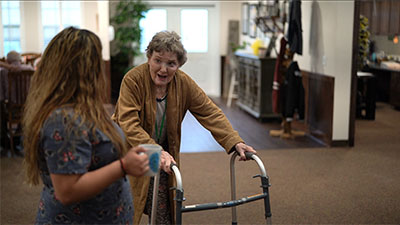
A couple of real-world examples
A widow in her late eighties might be living alone, failing to remember to take her pills, and preventing cooking since the range feels harmful. She is still social, still delights in reading, and still wants to make her own options. Assisted living may fit her well.
A male recouping from a hip fracture might require assistance entering and out of bed, physical treatment numerous times a week, discomfort management, and nursing oversight for a wound. He may begin in skilled nursing for rehabilitation, after that move to assisted living later on if he recuperates sufficient to require much less support.
A woman with innovative heart failure that needs frequent weight checks, drug modifications, oxygen, and close tracking may need skilled nursing since her problem can transform swiftly. A residential setup might miss out on essential caution signs.
A person with early dementia who just needs reminders, structure, and supervision might succeed in assisted living. A person with dementia that is straying, incontinent, and not able to acknowledge standard safety threats may require a more secure and clinically included setting, depending on the specifics.
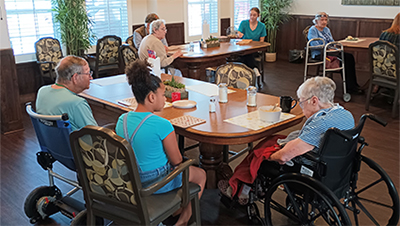
These scenarios are not abstract. They are the sort of decisions families face after a healthcare facility stay, throughout a decrease at home, or when a caretaker is merely worn out.
Questions worth asking when visiting communities
When you start comparing senior living choices, the marketing products just inform part of the story. Tour the location, talk to personnel, and ask functional concerns that expose what everyday life is actually like.
Here are a few inquiries that help separate both levels of care in a significant method:
- What degree of help do homeowners generally receive with bathing, dressing, and medications?
- Is nursing staff on website all the time, and if so, what can they handle?
- What happens if a resident's condition intensifies after move-in?
- Can the area support memory concerns, movement problems, or chronic illness?
- How usually are care plans evaluated and updated?
Those discussions tell you more than a shiny sales brochure ever before will. They likewise aid family members stay clear of the usual mistake of thinking every senior living neighborhood can provide the same level of support.
Respite care can be component of the decision
Respite care is worth pointing out because it typically gives family members a low-risk method to examine a setup prior to making a permanent move. If you are unclear whether a loved one needs assisted living or competent nursing, a short respite remain can make clear a great deal. An individual that is anxious at home however clears up in well with dishes, aid, and regimen might be a strong assisted living prospect. A person who rapidly shows signs of requiring more professional assistance might need a skilled nursing plan instead.
Respite care additionally gives family caregivers a breather. That matters greater than individuals admit. Caregiving fatigue can shadow judgment. When somebody is tired, every option looks either way too much or otherwise sufficient. A brief remain can produce area for more clear thinking and better planning.
The change from one degree to another
One of the hardest components of senior care is approving that needs can change. An individual might enter assisted living and later demand experienced nursing after an autumn, a stroke, or a high decrease. That does not mean the original move was wrong. It means the care strategy needs to evolve with the person.
The most valuable neighborhoods are truthful regarding this from the beginning. They do not guarantee that setup will fix every issue for life. They explain what they can take care of now and what would certainly set off a different degree of care later.
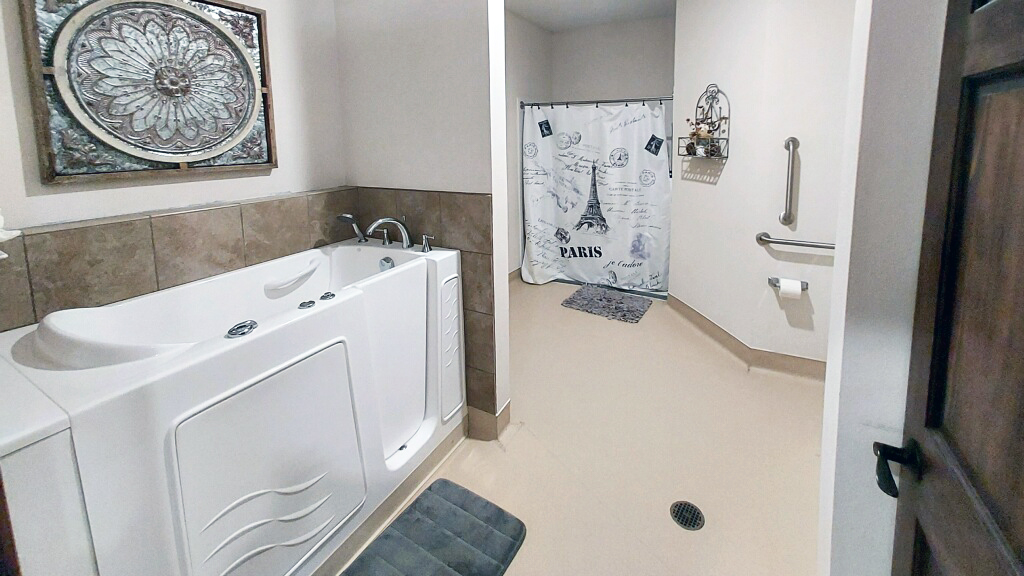
Families should additionally understand that moving from skilled nursing back to assisted living is often possible, especially after healing. I have seen people boost sufficient after rehab to return to a less extensive setting with fewer services. That type of shift is encouraging, however it depends on real feature, not hopeful thinking.
What issues most when making the decision
The finest option is the one that matches the individual's actual requirements, not the one that seems best. Assisted living offers a supportive, residential environment for individuals that require help with the fundamentals of life. Proficient nursing provides medical care, rehabilitation, and close oversight for individuals with severe or transforming health and wellness needs.
If you are contrasting senior care alternatives, take notice of where the individual is currently, not where you hope they will be in six months. Check out wheelchair, cognition, medication intricacy, recent hospital keeps, continence, loss risk, and just how much aid is needed to make it through a regular day. That assessment is better than age alone, and better than a vague pledge that "they appear fine for now."
Families frequently start with a look for senior care near me and end up learning that the actual question is not distance. It is in shape. The appropriate setting ought to make day-to-day live more secure, calmer, and extra convenient, while preserving as much dignity and independence as feasible. For some people that implies assisted living. For others it indicates experienced nursing. And for many households, the most intelligent path is to be sincere regarding the difference before a dilemma forces the answer.
BeeHive Homes of Amarillo provides assisted living care
BeeHive Homes of Amarillo provides memory care services
BeeHive Homes of Amarillo provides respite care services
BeeHive Homes of Amarillo supports assistance with bathing and grooming
BeeHive Homes of Amarillo offers private bedrooms with private bathrooms
BeeHive Homes of Amarillo provides medication monitoring and documentation
BeeHive Homes of Amarillo serves dietitian-approved meals
BeeHive Homes of Amarillo provides housekeeping services
BeeHive Homes of Amarillo provides laundry services
BeeHive Homes of Amarillo offers community dining and social engagement activities
BeeHive Homes of Amarillo features life enrichment activities
BeeHive Homes of Amarillo supports personal care assistance during meals and daily routines
BeeHive Homes of Amarillo promotes frequent physical and mental exercise opportunities
BeeHive Homes of Amarillo provides a home-like residential environment
BeeHive Homes of Amarillo creates customized care plans as residents’ needs change
BeeHive Homes of Amarillo assesses individual resident care needs
BeeHive Homes of Amarillo accepts private pay and long-term care insurance
BeeHive Homes of Amarillo assists qualified veterans with Aid and Attendance benefits
BeeHive Homes of Amarillo encourages meaningful resident-to-staff relationships
BeeHive Homes of Amarillo delivers compassionate, attentive senior care focused on dignity and comfort
BeeHive Homes of Amarillo has a phone number of (806) 452-5883
BeeHive Homes of Amarillo has an address of 5800 SW 54th Ave, Amarillo, TX 79109
BeeHive Homes of Amarillo has a website https://beehivehomes.com/locations/amarillo/
BeeHive Homes of Amarillo has Google Maps listing https://maps.app.goo.gl/avxAXn336jPCWXwv7
BeeHive Homes of Amarillo has Facebook page https://www.facebook.com/BeehiveAmarillo/
BeeHive Homes of Amarillos has YouTube channel https://www.youtube.com/@WelcomeHomeBeeHiveHomes
BeeHive Homes of Amarillo won Top Assisted Living Homes 2025
BeeHive Homes of Amarillo earned Best Customer Service Award 2024
BeeHive Homes of Amarillo placed 1st for Senior Living Communities 2025
People Also Ask about BeeHive Homes of Amarillo
What is BeeHive Homes of Amarillo Living monthly room rate?
The rate depends on the level of care that is needed. We do an initial evaluation for each potential resident to determine the level of care needed. The monthly rate is based on this evaluation. There are no hidden costs or fees
Can residents stay in BeeHive Homes of Amarillo until the end of their life?
Usually yes. There are exceptions, such as when there are safety issues with the resident, or they need 24 hour skilled nursing services
Does BeeHive Homes of Amarillo have a nurse on staff?
No, but each BeeHive Home has a consulting Nurse available 24 – 7. if nursing services are needed, a doctor can order home health to come into the home
What are BeeHive Homes of Amarillo visiting hours?
Visiting hours are adjusted to accommodate the families and the resident’s needs… just not too early or too late
Do we have couple’s rooms available?
Yes, each home has rooms designed to accommodate couples. Please ask about the availability of these rooms
Where is BeeHive Homes of Amarillo located?
BeeHive Homes of Amarillo is conveniently located at 5800 SW 54th Ave, Amarillo, TX 79109. You can easily find directions on Google Maps or call at (806) 452-5883 Monday through Sunday 9:00am to 5:00pm
How can I contact BeeHive Homes of Amarillo?
You can contact BeeHive Homes of Amarillo Assisted Living by phone at: (806) 452-5883, visit their website at https://beehivehomes.com/locations/amarillo, or connect on social media via Facebook or YouTube
Visiting the John Stiff Memorial Park gives a green space where residents in assisted living, memory care, senior care, and elderly care can enjoy fresh air and gentle activity during respite care outings.